Can Dogs Eat Coconut?
Can Dogs Eat Coconut?
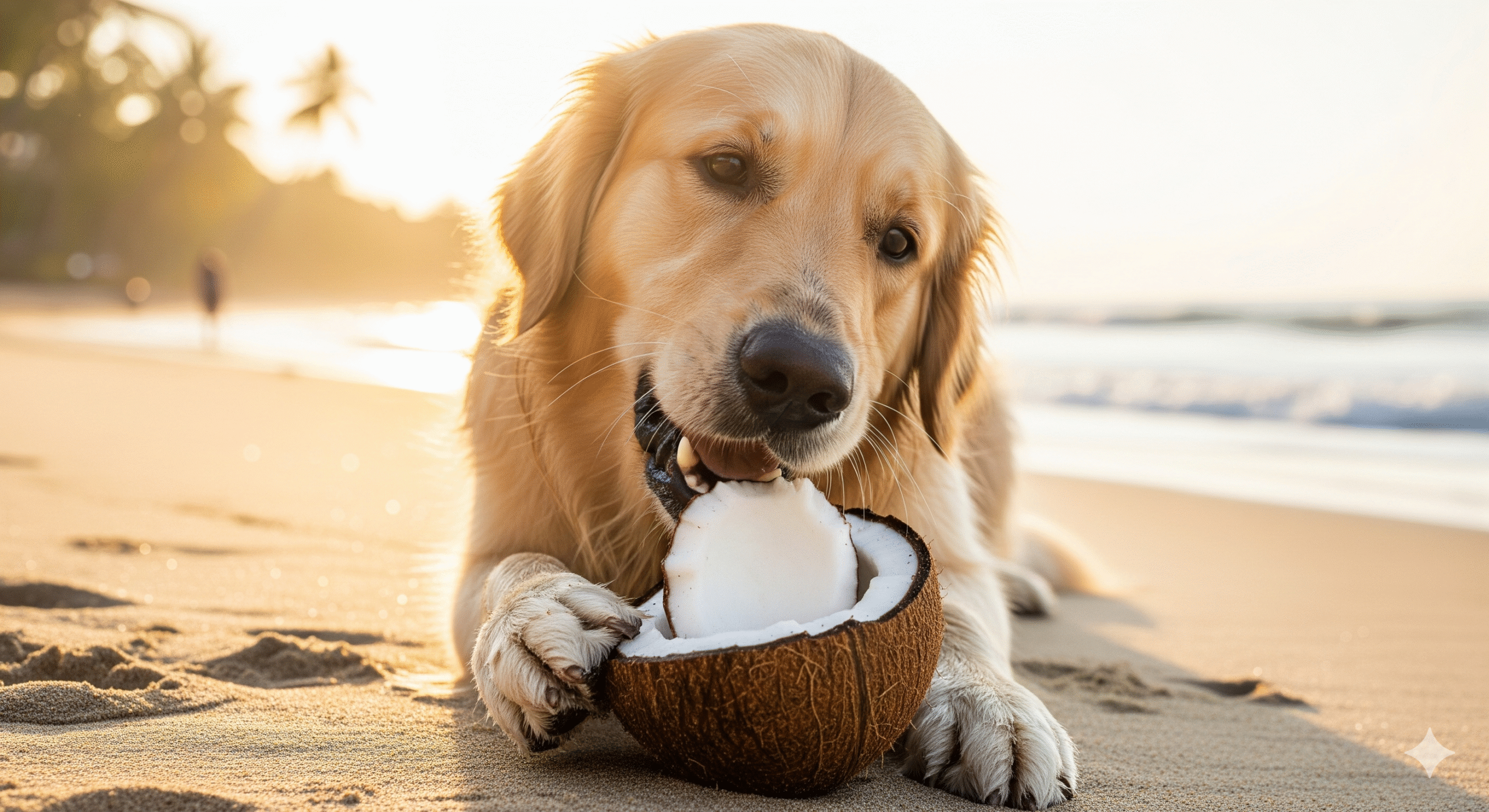
Can Dogs Eat Coconut? We love to share our vices with our animals—after all, who hasn’t treated their dog to a pup cup? But if we indulge in a coconut cream-spiced drink, is it safe to share? Can dogs safely eat coconuts?
Assuming the hairy fruit is consumed in moderation, coconuts are safe for canines. While, there are some things pet owners should be aware of prior to their dog biting into coconut meat or drinking coconut milk.
Can Dogs Eat Coconut?
Is Coconut Good for Dogs?
Can Dogs Eat Coconut? Coconuts are not toxic to dogs. In fact, several coconut parts (such as coconut meat and coconut oil) can benefit dogs–in moderation.
Coconuts are rich in antioxidants that may help strengthen a puppy’s immune system. The fruit also contains lauric acid, which is a medium-chain fatty acid that repels viruses such as canine flu. Coconuts also have bone health benefits because they contain lots of magnesium.
But don’t think that means you give your dog coconut as a regular treat. Coconuts contain high levels of saturated fat, which can upset your dog’s stomach. But if you drop a piece of coconut flesh or spill some coconut milk on the floor and your dog licks it up, your dog will be fine.
Before giving anything new to your pet, consult with your veterinarian.
Can Dogs Eat Coconut? It also has some noteworthy anti-inflammatory effects—it has reduced swelling in rats in test trials considerably. Reduced inflammation will speed up the healing process of cuts, hot spots, and other wounds. Inflammation is also the major cause of arthritis, so feeding coconut to your dog can make their arthritic joints feel a little better, as the inflammation decreases. Make sure to crack the shell prior to serving your dog coconut since the shell may become lodged in their esophagus and cause intestinal irritation and blockage.
related article: https://dogscaredaily.blog/can-dogs-eat-coconut/
Strengthen the Immune System
Can Dogs Eat Coconut? Coconut is packed with antioxidants to fortify the immune system. Coconut also helps the body build a healthy immune response to foreign microbes. This means that coconut provides the body with an extra layer of protection against harmful bacteria, viruses, parasites, and fungi. Although the ingestion of coconut has not been shown to offer a treatment for any disease, there have been experiments confirming its anti-viral attributes. With its anti-inflammatory properties as well, coconut is a healthy treat for a dog that is feeling a little off color or getting over illness or injury.
Can Dogs Eat Coconut?
Benefits the Skin
Can Dogs Eat Coconut? Both the meat and coconut oil can be given internally or applied externally, as the natural oils greatly support your dog’s skin and coat health. The anti-inflammatory activity will reduce any yeast infections, hot spots, flea allergies, and dry, itchy skin, and the fatty acids ensure that the coat is healthy and soft. If used topically, the oil is a moisturizer and can be used on wounds to make sure that it calms down inflammation and stimulates healing.
Techniques to Prepare and Present Coconut to Your Canine
Once you obtain a go-ahead from your vet, you have multiple ways to prepare and present coconut to your pet.
- Baked coconut: Shredded or dried coconut can usually be added to favorite homemade doggie treats without having a drastic impact on the recipe. Simply don’t add more coconut to a baked recipe than you would serve it à la carte.
- Fresh coconut milk: If your dog gets a coconut milk or fresh coconut meat flavor bug, add it to their daily dog chow to add zest and nutritional oomph to their meal.
- Frozen coconut: Chilled coconut pieces can be a refreshing and enjoyable snack for dogs. Shred coconut and keep it in the refrigerator to let it set for a few hours before offering. Serve it as is or as a topping for other foods.
- Raw coconut: Raw coconut is digestible for dogs. Just ensure that they consume only a few chunks of coconut meat and spit out all shell fragments.
Before Sharing Human Food With Your Pooch
Can Dogs Eat Coconut? Some foods and drinks in humans can have negative effects on dogs, so always go to your veterinarian to see if it is acceptable to include these types of items in your pet’s regimen. This is an educational and informative article and not a medical or dietary recommendation.
What Coconut Products Should Dogs Not Eat?
Most coconut treats are healthy and safe for dogs, but do not give your dog these:
- Sweetened Coconut: Avoid giving your dog sweetened coconut as it contains added sugars that are harmful to your dog.
- Coconut Husk or Shell: When using whole coconuts, be sure to keep the fibrous husk and hard shell out of your dog’s reach. These firm pieces can cause injury to your dog if swallowed.
- Coconut Water: As coconut water is high in potassium, it may be harmful to dogs and should be avoided.
How Much Coconut Should Dogs Eat?
Can Dogs Eat Coconut? Even though it is safe to offer your dog coconut (except for large flakes), coconut products should be offered in moderation. A small pinch would suffice for coconut meat/shaved coconut. For coconut oil or coconut milk, no more than one teaspoon should be offered a day. Coconut flour should be offered in moderation because of the rich fiber content. Because of the sugar content, stick to just small amounts of coconut sugar and ice cream.
Conclusion
Can Dogs Eat Coconut? Coconut can be offered to dogs as an occasional treat, thanks to its beneficial nutrients. Coconut oil supports a shiny coat and healthy skin, the fibre aids digestion, and lauric acid helps strengthen the immune system.
Always serve only small amounts of fresh, raw coconut.
Coconut water is generally safe, and unsweetened organic coconut milk can also be given in moderation. Dried coconut or any sweetened, processed coconut item should be avoided, though.
One thought on “Can Dogs Eat Coconut?”