Can Dogs Eat Cheese?
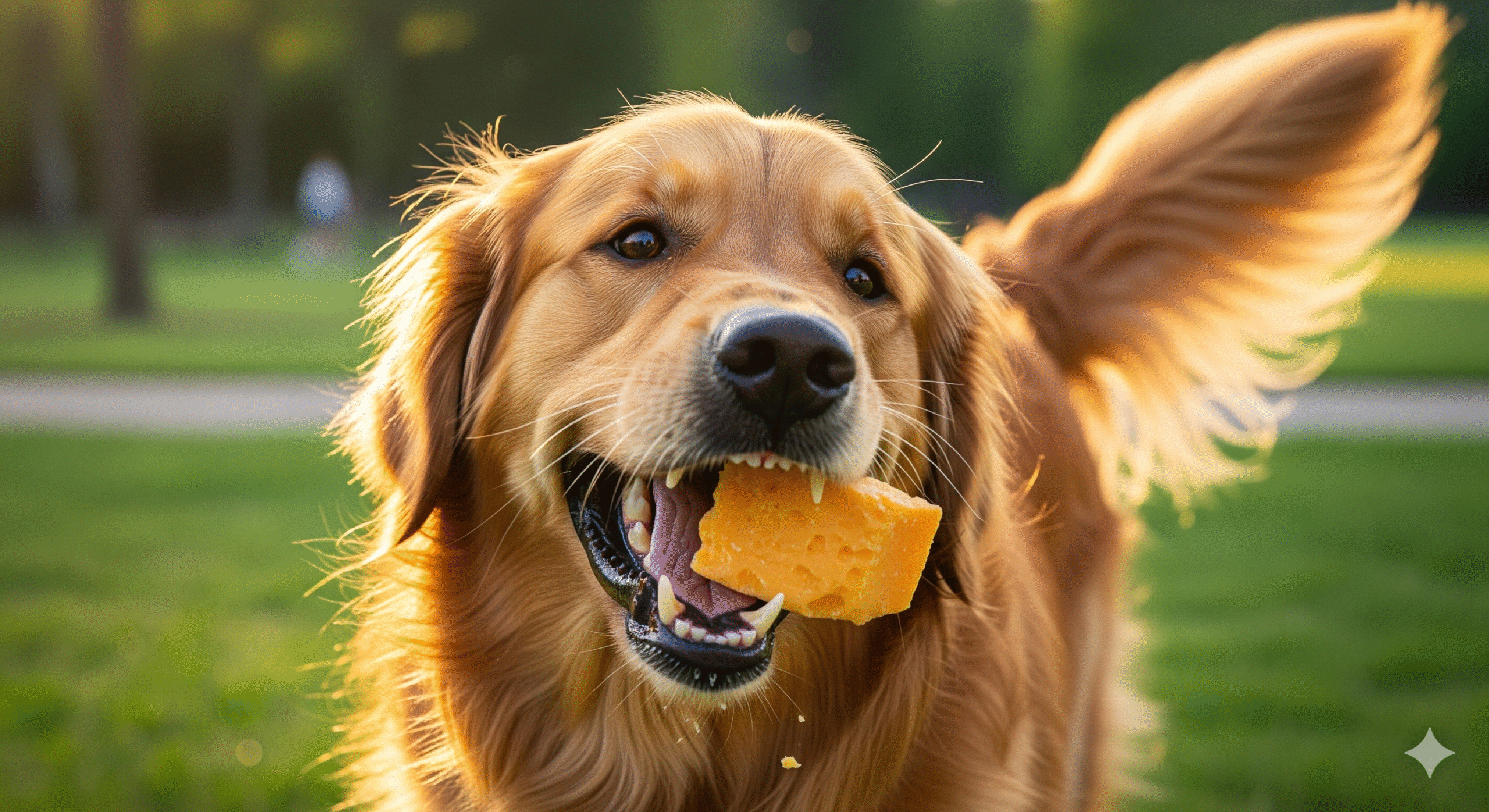
Can Dogs Eat Cheese?
Can Dogs Eat Cheese? Yes, dogs can eat cheese. Cheese can be a useful reward during training, particularly for puppies. However, is it safe for dogs? While many enjoy it, some are lactose intolerant and should avoid it. Even for dogs that tolerate cheese, it’s best offered only in small amounts.
In This Article
- Benefits of Cheese in Dogs
- Risks of Feeding Cheese to Dogs
- Best Cheeses for Dogs
- Lactose Intolerance in Dogs
- How to Feed Cheese Successfully
Can Dogs Eat Cheese?
Advantages of Cheese for Dogs
Cheese is rich in protein, calcium, vitamin A, essential fatty acids, and B-complex vitamins. Cheese is a hit among most dogs, and trainers use it for treat-motivated canines.
Cheese is also an excellent method of hiding pills for dogs that are on medication.
Dangers of Feeding Cheese to Dogs
Can Dogs Eat Cheese? Although dogs can eat cheese, there are a few important precautions. Cheese is high in fat, and giving it too often can cause weight gain and, over time, obesity. In more serious cases, too much fatty food may even trigger pancreatitis, a dangerous and sometimes life-threatening condition.
In addition, certain cheeses contain added ingredients such as herbs or seasonings that are harmful to dogs—particularly garlic, onions, and chives.
Is Cheese Good for Dogs?
Cheese can make a good protein source for dogs, but because dogs can be lactose-intolerant, dairy products are not their best snack.
Is Cheese Bad for Dogs?
Can Dogs Eat Cheese? Dogs will be able to absorb small amounts of cheese without showing any side effects of its intake, such as diarrhea or any other gastrointestinal disturbance. Too much of a good thing—even their favorite item—is bound to make them sick.
The calorie value of cheese may also contribute negatively to your healthy canine diet and make them overweight.
How Much Cheese Can Dogs Have?
Can Dogs Eat Cheese? It’s best to feed your dog cheese only as an occasional treat. Having the treats in small reward form while keeping your dog on a balanced diet is the safest and healthiest way of giving your dog cheese.
Remember the 10% rule: Ninety percent of what you feed your dog should be dry or canned dog food that is formulated for your dog’s age and health status. The other 10% can come from treats administered during training, extra snacks, dental treats, food supplements, and human foods.
How to Feed Cheese to Your Dog
There are a number of ways you may prefer to feed cheese to your dog.
One of the Most Common Forms is as a Tool to Conceal Medication
Can Dogs Eat Cheese? Just chop up a small cube of cheese (it’s best to use cheddar) and insert the tablet into the center of it and present it to your dog. As a rule, they’ll swallow it down without hesitation! But never try to hide the antibiotics in cheese because antibiotics can bind to the calcium in milk products. If this occurs, it might no longer be absorbed by the intestines and thus render the medication less effective.
Can Dogs Eat Cheese?
Cheese Can Also Be Used as a High Reward Training Treat
Again, cheddar is best for this and will need to be cut up into small cubes. Cheese for dogs is particularly useful when training advanced commands, such as recall.
Cheese for Dogs When They’re Bored
If your dog has susceptibility to boredom habits, you can try placing a thin amount of cream cheese inside a toy to keep them occupied. This could be a suitable option if you are training your dog to be left alone.
Blue cheese is never to be given to dogs. Blue cheeses are made from Roquefortine C, a fungus. Dogs are extremely intolerant to the fungus and become seriously ill. If your dog has eaten blue cheese and experiences any of the following symptoms, take them to the vet immediately.
related article: https://dogscaredaily.blog/can-dogs-eat-cheese/
Health benefits of dogs consuming cheese
Can Dogs Eat Cheese? Cheese is also rich in vitamin A, B-complex and calcium. It contains high protein content and essential fatty acids, all of which your dog needs. Use a well balanced, complete dog food to give everything your dog requires. Use cheese as an extra treat.
It is salty, plus has a high calorie content. Any dog that’s on a calorie limit diet should not be supplied with cheese. There are so many better options for your dog. Keep cheese as a treat so there is no possibility of upsetting your dog’s digestive system.
Dogs and cheese FAQs
Is cheese bad for dogs?
Most plain cheeses, excluding blue cheese, are fine for dogs that aren’t lactose intolerant or have kidney disease. But too much cheese will induce vomiting, diarrhea and weight gain.
Can dogs eat mac and cheese?
Mac and cheese is also very salty and contains unhealthy fats, so you shouldn’t feed it to your dog.
Can dogs eat cheese slices, cheese strings and Babybels?
Can Dogs Eat Cheese? Processed cheeses like Babybels and cheese strings can be given to a dog in small quantities. But these cheeses don’t have any nutritious ingredients, so they’re not useful for anything. Try to avoid them if possible.
Can dogs eat Primula cheese?
Primula cheese is safe for dogs to eat; it won’t hurt them at all. But, Primula is a highly processed product that contains lots of additives, so it’s not healthy for them.
Can dogs be lactose intolerant?
Can Dogs Eat Cheese? Some dogs are lactose intolerant, and they are unable to digest milk. Do not keep giving cheese to your dog if they possess this milk intolerant characteristic.
Symptoms of lactose intolerance in dogs are:
- Diarrhea or constipation
- Vomiting
- Bloating and gas
- Loss of appetite
- Abdominal pain
- Behavior changes like hyperactivity or lethargy.
If your dog is exhibiting these symptoms after the consumption of cheese, remove it from their diet.
One thought on “Can Dogs Eat Cheese?”