Australian Cattle Dog Intelligent and Loyal Herding Breed
Introduction
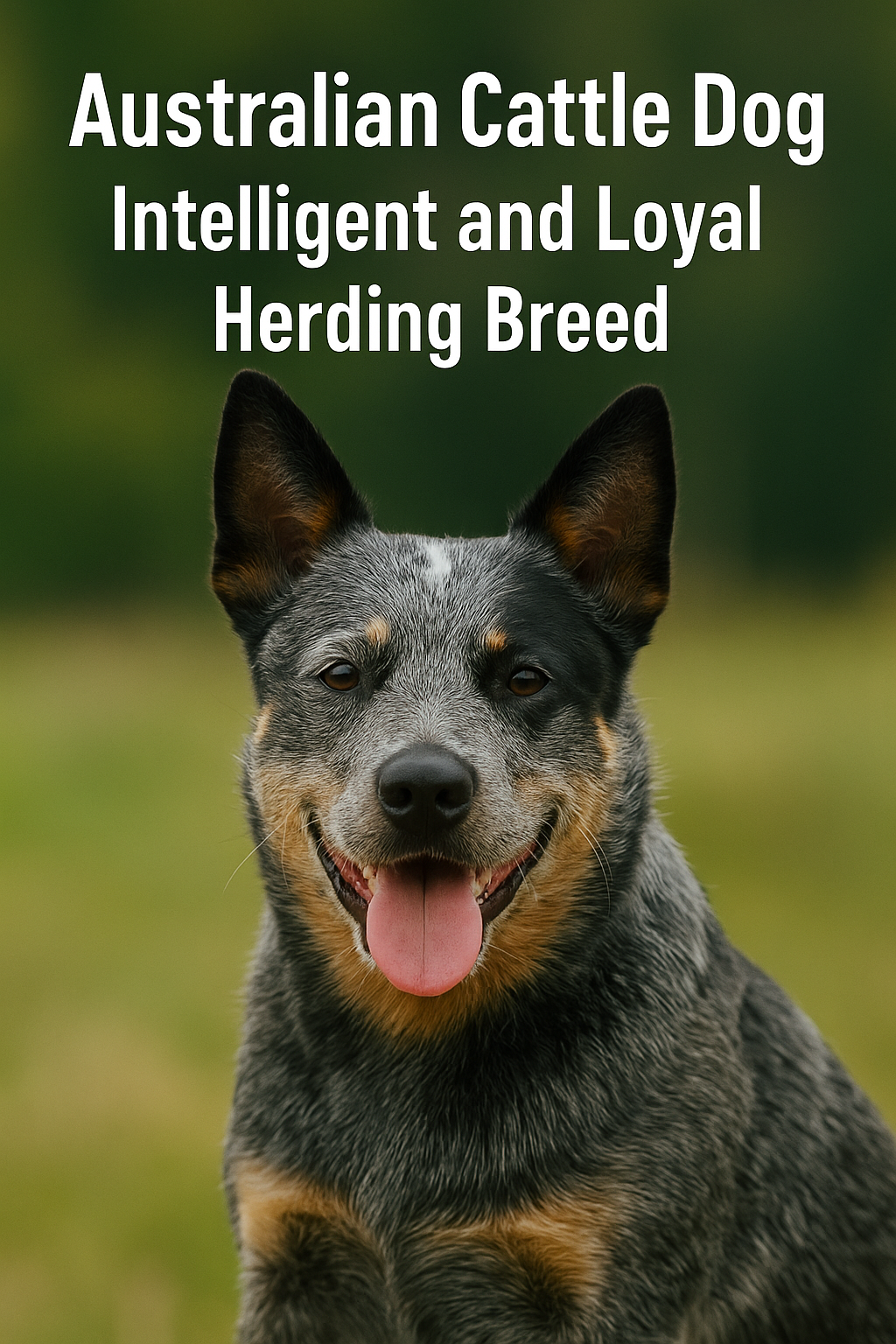
The Australian Cattle Dog, also lovingly referred to as the Blue Heeler or Red Heeler, is a breed that is renowned for being intelligent, hardy, and completely loyal. Bred originally in Australia to manage the rigors of herding cattle over rough country, this small yet athletic dog has gained a reputation as being one of the most work-hardened breeds of dog.
Whether on a farm, competing in agility sports, or simply being a loving family companion, the Australian Cattle Dog thrives when given a purpose. In this guide, we’ll explore the breed’s fascinating history, unique traits, care requirements, and why it’s such a beloved choice among dog enthusiasts.
History and Origins
The origin of the breed goes back to early 19th-century Australia when cowmen required a tough and smart herding dog that could handle cattle across wide areas under severe climatic conditions. Initially introduced herding breeds from Britain, like Smooth Collies, did not fare well in the rugged Australian climate.
To fix this, breeders—led by Thomas Hall—bred these herding dogs with the hardy wild dingo, famed for its survival and adaptability. Subsequent crossings with Dalmatian (to add loyalty and horse-compatibility) and Kelpie (for a superior herding instinct) further honed the breed. The outcome was the Australian Cattle Dog: tough, weather-hardy, and indefatigable.
Physical Characteristics
Australian Cattle Dogs are strong, well‑built, and agile, bred for stamina and power rather than sheer speed.
Height: 17–20 inches (43–51 cm)
Weight: 35–50 lbs (15–23 kg)
Lifespan: 12–16 years
Coat Colors:
- Blue: Solid, mottled, or speckled with black markings
- Red: Mottled or speckled, typically with evenly placed red patches
The coat is a short, dense double layer that is rain- and wind-resistant, perfect for work outdoors. Their erect, alert ears and wise eyes indicate their attentive awareness of the world around them.
Temperament and Personality
This breed is famous for being:
- Committed and protective – intensely loyal to their families
- Very smart – highly intelligent, but needs mental stimulation
- Active and ambitious – does best with busy lifestyles
- Independent minds – occasionally stubborn, but very competent
Australian Cattle Dogs form deep attachments with their owners and often choose one person as their primary companion. They are protective by nature and might be suspicious of strangers, so early socialization is important.
Training the Australian Cattle Dog
Due to their high intelligence and strong work ethic, Australian Cattle Dogs are naturally good at training—but then they require consistency and a firm, fair style.
Important Training Tips:
- Begin Early: Train and socialize early in puppyhood to prevent overprotectiveness.
- Positive Reinforcement: Reward with treats, toys, and praise for positive behavior.
- Mental Stimulation: Challenge them with puzzle toys, obedience games, and diverse training exercises.
- Herding Instinct Management: Redirect natural herding instincts into positive activities such as fetch or agility.
They can do very well in obedience, agility, herding trials, and search-and-rescue work if properly instructed.
Exercise and Activity Needs
The Australian Cattle Dog has an energy level that’s off the scale. If left lacking in activity, they will be bored and destructive.
Recommended Activities:
- Daily runs or fast walks
- Agility training or obstacle courses
- Herding exercises (even with balls or other objects if no livestock is available)
- Hiking or outdoor expeditions with their owner
They need a minimum of 90 minutes of physical exercise daily, in addition to mental stimulation to keep them healthy and well-adjusted.
Diet and Nutrition
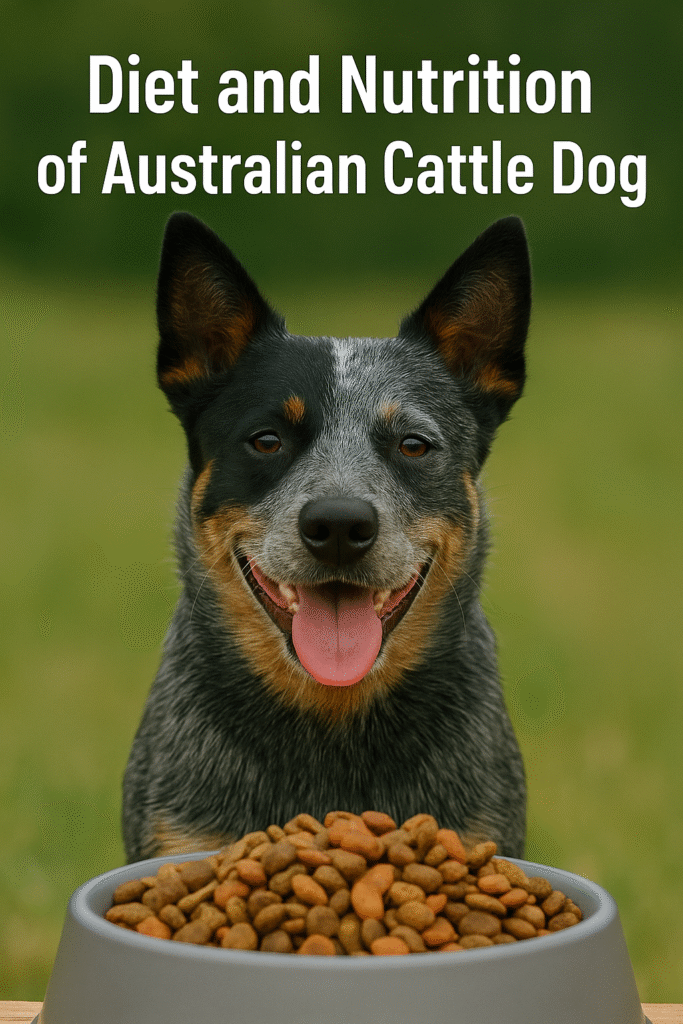
Nutritious food maintains their active life.
Feeding Instructions:
- High-quality commercial dog food or a balanced homemade diet recommended by a veterinarian
- Protein-based foods to aid muscle growth
- Fixed portions to prevent obesity
- Fresh water at all times
Australian Cattle Dog Intelligent and Loyal Herding Breed
Avoid giving too many human foods, especially those high in fat, sugar, or seasonings.
Grooming and Maintenance
The Australian Cattle Dog has a short coat that is low maintenance but not maintenance-free.
- Brushing: Every week or two to shed loose hair
- Bathing: When necessary, typically every 6–8 weeks
- Nail Trimming: Every 3–4 weeks
- Ear Cleaning: Weekly to avoid infection
- Dental Care: Regularly brush teeth to prevent gum disease
They experience moderate shedding throughout the year, with heavier shedding occurring twice annually.
While generally a healthy breed, they can be prone to certain genetic health conditions.
- Hip Dysplasia – deformity of the hip joint causing arthritis
- Progressive Retinal Atrophy (PRA) – degenerative eye disease that leads to blindness
- Congenital Deafness – more likely in dogs with extensive white marking
Precautions taken through responsible breeding and regular veterinary checks minimize these risks.
Living with an Australian Cattle Dog
This breed is ideally suited to active families or an individual who can provide its mental and physical requirements.
- Not suited for apartment living unless there is guaranteed daily strenuous exercise
- Thrives in a rural or suburban setting with room to run
- Requires a job or formal activities to avoid boredom
If well provided for, they are playful, loving, and devoted companions.
Australian Cattle Dog in Work and Sport
Faithful to their heritage, Australian Cattle Dogs thrive in working jobs:
- Herding cattle, sheep, or goats
- Obtaining titles in agility and obedience competitions
- Working as search-and-rescue or detection animals
Their athleticism, intelligence, and strong will make them all-around stars in numerous dog sports.
Adopting or Purchasing an Australian Cattle Dog
When thinking about bringing one into your family:
- Adopt: Heelers are often found in rescue societies because their high energy levels are not a good fit with every owner.
- Buy from a Qualified Breeder: Insist on health testing of hips, eyes, and hearing.
- Don’t Buy from Puppy Mills: Such breeders produce poor-quality animals that are often in poor health and have behavioral problems.
Ownership Pros and Cons
Pros:
- Loyal and protective
- Extremely intelligent and trainable
- Strong and healthy
- Varied working ability
Cons:
- Extremely high energy—needs lots of exercise
- May be stubborn if not trained regularly
- Repressed herding instinct may result in nipping behavior
Frequently Asked Questions about the Australian Cattle Dog
FAQs Regarding the Australian Cattle Dog
- Are Australian Cattle Dogs suitable as family pets?
Yes, with early socialization and lots of exercise, they can be wonderful family pets. - Do they get along with other animals?
Usually, yes—especially if brought up together—but they will try to herd them. - How much exercise do they require every day?
A minimum of 90 minutes of active exercise in addition to mental stimulation. - Are they easy to train?
Yes, but they require consistency and strong, positive leadership. - How long do they live?
Average 12–16 years with good care. - Are they likely to get health issues?
They’re usually healthy but can get hip dysplasia, PRA, or deafness.
Conclusion
The Australian Cattle Dog is a dog unlike any other—an smart, devoted, and indefatigable worker with a heart of love for its family. Not suitable for a couch potato lifestyle, however, this high-energy herding dog excels where it has room to move, problems to solve, and people to love.
For those willing to welcome their energy and brains, the Australian Cattle Dog will reward your devotion with steadfast loyalty and years of friendship.