Can Dogs Eat Peas?
Can Dogs Eat Peas?
Can Dogs Eat Peas? Spring is the time new peas are in season, from the garden or farmer’s market. Keep in mind fruits and vegetables are not in the diet of the dog but must be treated as an occasional snack, peas are not toxic to dogs. Peas are included in many over-the-counter canine diets as an ingredient, though there is still some research on whether they will ward off or maybe even create heart disease in dogs.
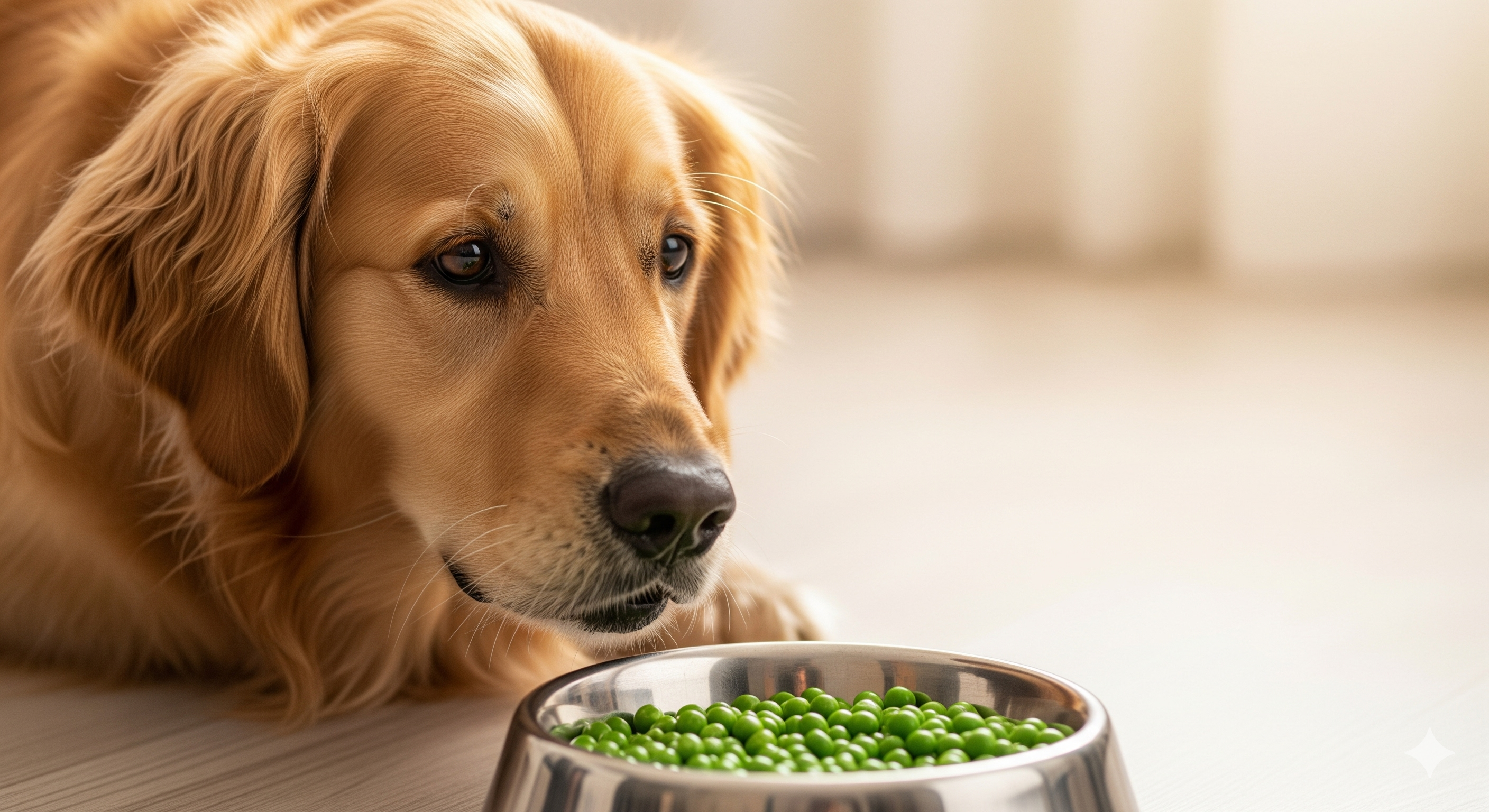
Peas are a nutrient-dense vegetable, providing plenty of vitamins, minerals, protein, and fiber for people. But are they nutritious additions to include in feed dogs?
Are Peas Good for Dogs?
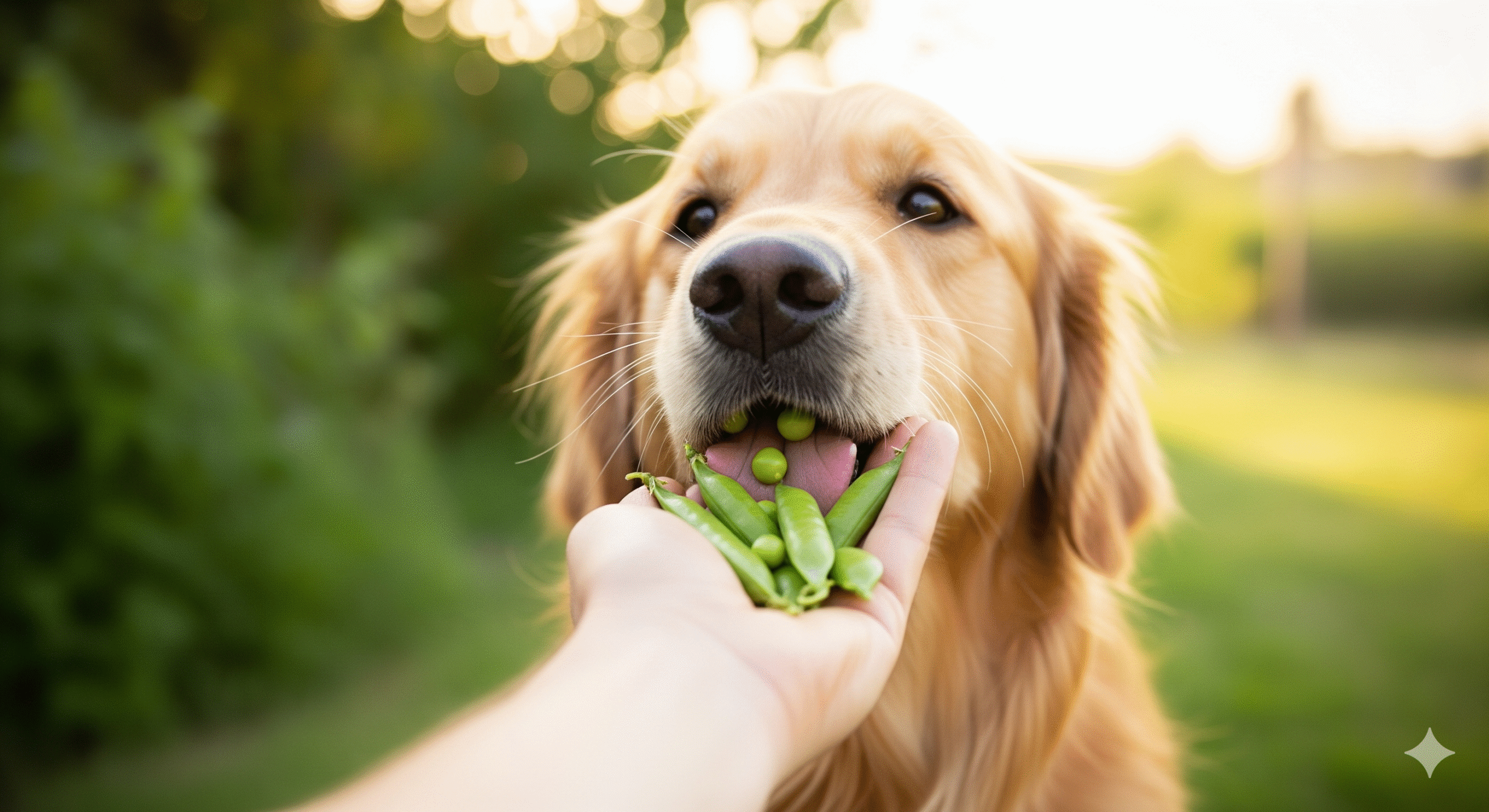
Can Dogs Eat Peas? Eaten as a snack or addition to your dog’s regular diet, snow peas, sugar snap peas, and garden (or English) peas are safe in moderation. Or they may even be good for them; consider peas, for example, packed with antioxidants that support skin, heart, and eye health.
That said, dogs, being unique compared to humans, may not thrive on a vegetable-based diet being peddled as healthy for them. Pod peas are legumes, and a pulse is a seed of a legume plant that is edible. A pea, once it is removed from the pod, is a pulse such as lentils and beans. Pulses such as peas and legumes have been used in commercial pet diets for decades with no documented harmful side effects. Researchers have been looking into over the past couple of years whether or not peas as a primary ingredient in pet food are connected in any way to heart disease.
We’re talking about green peas, that is: snow peas, sugar snap peas, and garden or English peas. You may offer your dog peas whether they’re fresh, frozen, or thawed, but avoid canned peas entirely, as they are not safe to use as treats. Just like most other canned vegetables, canned peas usually have an astronomical amount of added salt in them, which is poisonous to dogs (and to people).
Can Dogs Eat Peas? And pea pods, for the most part, if humans can eat the pod, your dog can. Garden peas, of course, will always need to be shelled. But watch out with pods because they can get stuck in your dog’s throat and cause choking. And as with any new food source, watch for bad reactions, like diarrhea or vomiting.
What Kind of Peas Can Dogs Eat?
Although peas are nutritious for your dog, not every pea is healthy or safe for your dog to eat—especially if they’ve been cooked with other substances like butter, salt, or spices.
Below is a list of different types of peas and if they’re healthy for your pet or not:
Frozen Peas
Can Dogs Eat Peas? As long as they are not salted or any other harmful ingredients, frozen peas are safe to be served to dogs in small amounts. You can even serve your dog frozen peas straight out of the freezer as a snack, but cooking them may be an idea to break them down to chew.
Canned Peas
Sorry to have to point this out, but canned peas are bad for dogs to consume due to their high sodium content. Foods with high levels of sodium dehydrate and create other issues. The odd nibble or two of canned peas will unlikely do damage, but daily servings from the can hurt your dog.
Chickpeas
Can Dogs Eat Peas? Chickpeas are high in protein, fiber, and other nutrients for your dog. Just ensure that they are cooked thoroughly before giving them to your dog.
Black-Eyed Peas
Black-eyed peas can be fed to your dog but only if they are well-cooked and plain and not flavored or spiced.
Snap Peas
Snap peas are rich in vitamins A and C for dogs. Since hard outer pods are hard to digest for some dogs, cook snap peas or finely chop them.
Can Dogs Eat Peas?
Nutritional Value of Peas in Dogs
Peas are a nutritious addition to your dog’s supper and are rich in lots of things:
- Rich in Vitamins: Peas provide plenty of vitamins A, K, and several B vitamins. These nutrients support strong bones, healthy vision, a robust immune system, and overall well-being in dogs.
- Fiber Content: Packed with dietary fiber, peas promote healthy digestion and regular bowel movements. Fiber also helps dogs stay satisfied after meals, making it useful for weight management.
- Has Protein: Even though it’s not a substitute for animal proteins, peas do contain some protein that can prove to be beneficial, mainly in plant-based diets for dogs.
- Low in Fat Content: Peas are low in fat, and as such, they are suitable for obese dogs or dogs with some medical conditions where they must be placed on a low-fat diet.
- Rich in Minerals: Peas contain minerals like iron, zinc, and potassium, all of which are good for your dog.
Keep in mind, however, that while peas do contain these advantages, they must be consumed in moderation and are not to be relied upon as a substitute for a balanced, species-appropriate diet for your dog.
FAQs About Peas for Dogs
Can dogs eat pea pods?
No, pea pods should not be consumed by dogs since they pose a choking risk.
Can dogs have sugar snap peas?
Yes, dogs may consume sugar snap peas. Use in moderation to avoid possible gastrointestinal upset.
Are green peas okay for dogs?
Yes, green peas are okay for dogs if fresh or frozen, plain (i.e., no salt, seasonings, or spices), and used in limited amounts. Green peas that are canned should be avoided since they contain added salt.
Are black-eyed peas safe to eat for my dog?
Yes, black-eyed peas are safe to feed your dog as long as they’re plain (no salt, spices, or seasonings) and cooked, and in limited quantities.