Can Dogs Eat Olives? complete guide
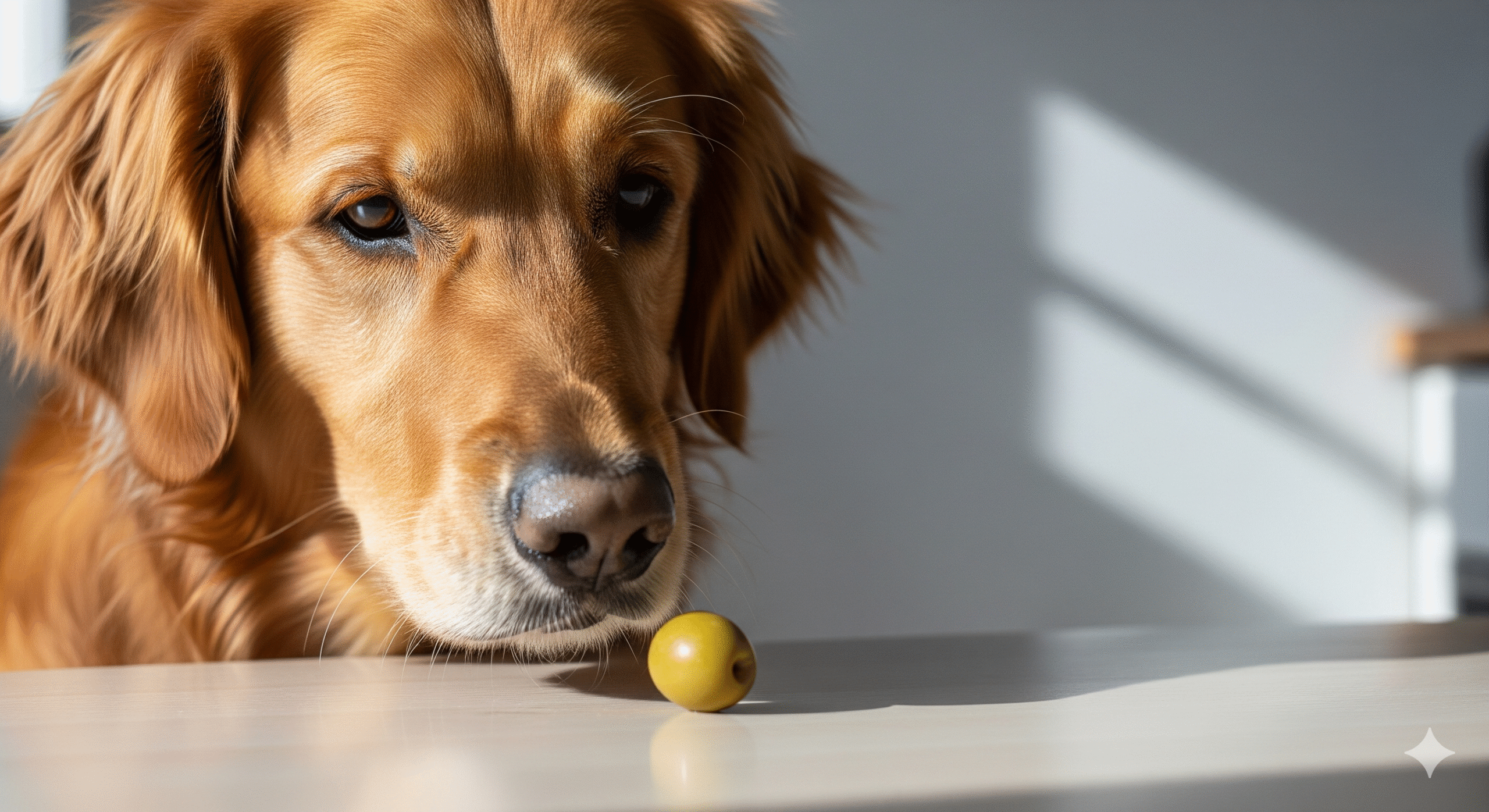
Can Dogs Eat Olives? complete guide
Can Dogs Eat Olives? complete guide Love them or despise them, olives are a go-to food ingredient added to all kinds of cooked savory dishes. And while olives wouldn’t be the first snack your pup appears to be hungry for, any dog owner who’s ever had a starving pup has ever found themselves questioning whether their pup may indulge in a bite or two off their plate—even less obvious cuisine, like olives! But are olives safe for dogs, or will they make your puppy sick?
Olives aren’t a good combination for dogs, but they aren’t poisonous to them either. It is not determined whether your dog can eat olives based on one single factor alone. Let’s explore further. Can Dogs Eat Olives
Can Dogs Eat Olives?
Are Olives Bad for Dogs?
Can Dogs Eat Olives? complete guide Olives are not toxic to dogs, but just because they’re not doesn’t mean olives themselves are safe for dogs to eat. While small in size, olives are packed with fat and salt—and hardly anything at all in the way of vitamins and minerals. Because they’re small, one or two plain pitted olives shouldn’t cause harm to your pet. However, too many can lead to gastrointestinal issues such as gas, diarrhea, and/or vomiting.
It is also what olives are prepared with that counts. Stuffed olives, marinated olives, or olives soaked in alcohol from your martini should never be given to your dog. The olive might not be a problem, but the accompaniments can be toxic to your dog. Blue cheese, garlic, onions, and alcohol are all toxic to dogs.
Regular pitted olives are not typically a problem for dogs. The canned and pickled ones, however, tend to contain lots of sodium. Too much sodium is not good for dogs and leads to dehydration and in severe cases, salt toxicosis.
related article: https://dogscaredaily.blog/can-dogs-eat-olives/
Olives dipped in garlic, seasonings, or oils may also pose extra hazards. A lot of Mediterranean cuisine includes these, so watch out. Olives also make a rare appearance in drinks. It doesn’t need to be said, but never give your dog olives marinated in alcohol.
If your dog has eaten a huge quantity of olives, call your veterinarian for guidance. Eating too many can be dangerous, particularly if they still have the pits in them.
Can puppies eat olives?
Can Dogs Eat Olives? Olives aren’t really a healthy puppy snack since they contain too much sodium. It won’t kill them if they eat an olive (diced up, without the pit) but try to stick to other healthy puppy snacks.
Olives are toxic for dogs when
Can Dogs Eat Olives? complete guide Olives are sometimes not a good choice for dogs. First of all, they are rich in sodium and may cause dehydration symptoms or be toxic to dogs suffering from kidney or heart diseases. That is why it is important that olives are eaten in moderation.
Olives are often served in olive oil, which is extremely fatty and not a suitable treat for dogs with pancreatitis. These oils can also be chilli or garlic-flavoured, both of which dogs should never be given.
Can Dogs Eat Olives?
Of course, unpitted olives are a danger of choking for dogs. Always ensure that unpitted olives are kept well out of the way of dogs’ curious noses.
Can your dog be allergic to olives?
Can Dogs Eat Olives? complete guide Yes, your dog can be allergic to olives. If not previously fed with olives, just offer them a small amount or a single pitted olive and see their reaction. If they show any of the following symptoms, do not give them olives and if the symptoms are severe, go to a vet immediately:
- Redness, itching or swelling of the skin
- Wheezing or difficulty breathing
- Diarrhoea or vomiting
- Tummy cramps, bloating
- Lethargy, change in behaviour
How do I introduce olives to my dog?
Can Dogs Eat Olives? complete guide Choose unsalted and flavourless ones. Avoid garlic, onion, or other flavourings added to olives because these are poisonous for dogs.
Then wash them thoroughly, especially if they’ve been stored in brine, which will reduce their sodium content. And only treat with olives as an occasional snack if you really need to.
Dogs and olives FAQS
Can dogs eat olives from the tree?
Raw fresh olives from the tree are not a good idea for eating. They’re very bitter and might upset their stomachs.
And what about tinned olives?
Tinned olives are typically preserved in sodium-rich solutions or additives that can be toxic to dogs. If you have to give tinned olives, use only the ones canned in water without any added salt or other preservatives and rinse them thoroughly.
Can dogs eat olives with garlic or seasoning?
No, do not feed your dog seasoned olives containing garlic, onions, or other toxic additives. Plain, unadorned olives are a safe, occasional treat.
How many olives are safe for dogs?
Due to the high salt and fat content of olives, they need to be administered sparingly. Administer one or two olives at a time to your dog and not on a daily basis in order to avoid any kind of digestive issues or health disorders caused by excess consumption of salt and fat.
Yes, dogs can safely consume olive oil.
It can yield several health advantages if it is added in small amounts to their diet. Olive oil possesses healthy monounsaturated fats, antioxidants and anti-inflammatory substances that can support a healthy coat, improve skin health, promote joint health, and build the immune system.
The amount of olive oil your dog can safely consume depends on its weight and dietary needs. As an approximate guide:
- Small Dogs (20 pounds or less): 1/4 teaspoon daily
- Medium Dogs (21-50 pounds): 1/2 teaspoon daily
- Large Dogs (over 50 pounds): 1 teaspoon daily
Use a high-quality extra-virgin olive oil and consult your veterinarian to ensure that it is safe for your dog to consume olive oil.
One thought on “Can Dogs Eat Olives? complete guide”